Deterministic Test Generation Engine for Complete Coverage.
Deterministic Test Generation Engine for Complete Coverage.
Reliable, reproducible functional tests across all critical types—Smoke, Contract, Integration, Load, Fuzz, UI, and E2E. Generate tests that behave consistently across environments, produce verifiable outcomes, and eliminate the maintenance burden of flaky, unreliable suites.
Reliable, reproducible functional tests across all critical types—Smoke, Contract, Integration, Load, Fuzz, UI, and E2E. Generate tests that behave consistently across environments, produce verifiable outcomes, and eliminate the maintenance burden of flaky, unreliable suites.
Features
How Structured Generation Delivers Reliable Tests
Test generation operates from explicit requirement schemas with clearly defined inputs, deterministic construction, and traceable logic paths. Each test type follows dedicated specifications that make coverage verifiable and results debuggable.
AST-Based Design
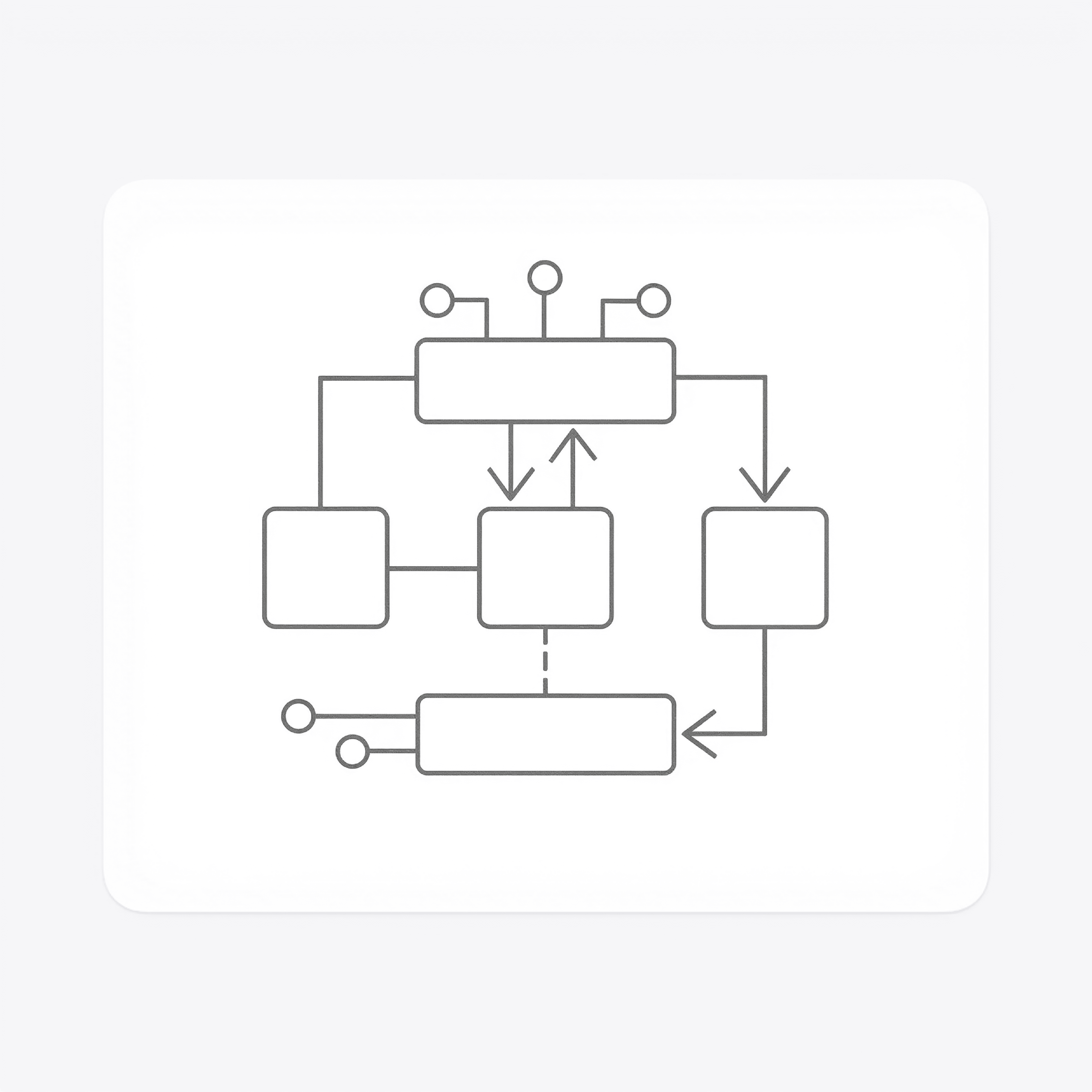
Abstract Syntax Tree-based design defines explicit schemas for each test type with clearly specified required and optional inputs. This structured approach makes test requirements verifiable, coverage gaps visible, and generation outcomes predictable.
Deterministic Generation
Automatic Chaining
Parameterization



AST-Based Design
Abstract Syntax Tree-based design defines explicit schemas for each test type with clearly specified required and optional inputs. This structured approach makes test requirements verifiable, coverage gaps visible, and generation outcomes predictable.
Deterministic Generation
Automatic Chaining
Parameterization






Language & Framework Support
Language & Framework Support
Structured test designs translate into executable code through an adapter layer. The generation engine produces framework-agnostic test designs from requirement schemas, and the adapter layer converts these designs into idiomatic code for target languages and testing frameworks.
This architectural separation means new languages and frameworks can be easily supported by extending the adapter layer. The same test design produces functionally equivalent tests across different technology stacks.
Structured test designs translate into executable code through an adapter layer. The generation engine produces framework-agnostic test designs from requirement schemas, and the adapter layer converts these designs into idiomatic code for target languages and testing frameworks.
This architectural separation means new languages and frameworks can be easily supported by extending the adapter layer. The same test design produces functionally equivalent tests across different technology stacks.